
Moving
to a new country is a journey filled with excitement and offers endless
opportunities. For many international students, Australia becomes more than a
study destination, — it becomes a second home. What follows is an insider’s
perspective on life in Australia for overseas students, drawn from personal
experience.
Culture,
Etiquette and Everyday Norms
Australia
is a multicultural society grounded in the values of respect, fairness, and
inclusiveness. Regardless of background, treating people with respect truly
matters — simple gestures, such as
saying “Thank You” to staff in shops or restaurants make a difference. Queuing etiquette is strong here: cutting in
line or pushing forward is frowned upon.
On public transport, allow passengers to exit before you board, keep
conversations quiet, and avoid eating in some vehicles as directed.
Australians
are also generally open-minded about diversity in races, genders, sexual
orientations, and backgrounds. While culture shock is a normal part of
transitioning to a new environment, the inclusive ethos of many communities
helps ease the adjustment and makes it easier for yourself to feel part of the
local community.
Academic
Life & Student Experience
Australian
universities and educational institutions strive to create a vibrant academic
environment. Classrooms encourage active participation, critical thinking and
collaborative learning. Students are supported through resources such as
English language support, workshops on academic writing and study skills, and peer
mentoring.
Outside
the classroom, campus life is vibrant. —
Clubs, societies, cultural festivals, and events allow students to engage
broadly with peers from all over the world. The balance between structured
learning and social experiences makes student life in Australia holistic and
fulfilling.
Working
While Studying
One
of the key attractions of studying in Australia is that student visa rules
often permit part-time work, subject to certain conditions. This allows students to earn extra income while
gaining valuable work experience and becoming more engaged with Australian
society.
However,
it’s essential to understand your visa’s work conditions. Here at the most
important things to do before working in Australia; Register for a Tax File
Number (TFN), open an Australian Bank Account (CommBank, NAB, Westpac, and ANZ
are typical choices and have dedicated student accounts), and ensure your
Australian bank account is linked appropriately to avoid unexpected taxation.
Students can explore roles via job boards such as Indeed, SEEK and Workforce
Australia, campus services, or referrals from peers and networks.
Safety,
Wellbeing and Support Services
Australia
is committed to maintaining a safe, inclusive environment for all residents,
including international students. Universities and Colleges typically offer
robust support systems ranging from counselling services, health and wellness
programs, academic assistance and student advocacy.
To
protect personal safety, follow basic precautions: know the emergency number
(000), avoid walking alone late at night, if possible, lock doors, and inform
someone of your movements. In public settings, safeguard your belongings and
exercise awareness of surroundings.
Managing
Finances & the cost of Living
International
students must demonstrate they have access to sufficient funds to support their
studies and living costs. Australia’s migration regulations stipulate
indicative amounts for living expenses: for example, you can estimate your
costs here: Living and education costs | Study Australia
(These figures serve as a guide and may change over time.)
Although
part-time work can help, students should not rely on employment alone to meet
all expenses. Planning a budget for accommodation, transport, food, personal
costs and course-related expenses is essential.
Visa,
Health Coverage & Documentation
A
successful student visa application hinges on proper documentation and
compliance. Key requirements typically include:
●
A valid passport
●
Certificate of Enrolment (CoE) from the
Institution
●
English language test results (IELTS, TOEFL,
PTE, CAE or OET)
●
Evidence of sufficient funds
●
Overseas Student Health Coverage
(OSHC)—mandatory for international students.
●
Medical Insurance (travel, private or other)
●
If coming from a country with a Reciprocal
Health Care Agreement (RHCA), you are entitled to free emergency/urgent medical
services (specifics apply, please visit Medicare | myGov)
Medical
examinations may also be required, depending on your home country and duration
of stay. It’s important to make sure no document is expired, and all submitted
evidence is up to date.
Travel,
Arrival & Packing
Arriving
in Australia
Plan your arrival with transport in mind.
Options such as taxis, shuttle buses, Skybus, trams or trains are available in
major cities. Some airports offer public transport directly into city centres
(for example, Sydney’s frequent train service). Pre-booking or arranging
transport in advance can ease the transition.
Packing
and essentials
While Australia offers broad access to goods,
there are some items worth bringing: appropriate clothing (weather varies by
season & state), adaptors suited to Australian plug systems, initial funds,
and important paperwork (visa, enrolment letters, contacts).
Be
cautious of arriving in Australia carrying restricted items: food products,
plants, animal materials and certain goods must be declared at customs.
Importing large amounts of cash (over AUD 10,000) must be declared. Weapons and
restricted items should be left behind or declared if unsure.
Accommodation
& Housing Options
Choosing
the right living arrangement is key to a comfortable student life. Common
options include:
●
Homestays:
Living with a host family. Meals, utilities and internet are typically
included, and you benefit from cultural immersion. Drawbacks can include less
independence and possible travel distance from campus.
●
Student housing / dormitories:
Purpose-built, fully furnished residences close to campus, often including
communal amenities and utilities. However, private meals are not usually
provided, and rooms may be compact.
●
Shared accommodation:
Friends or small groups sharing a house or apartment to split rent and bills.
It encourages social connections but may bring lifestyle conflicts or limited
privacy.
●
Private rentals:
For greater independence, renting a private apartment or house is possible. This
generally incurs higher costs and full responsibility for utilities and often
requires understanding tenancy rules, bonds and leasing terms.
It’s
important to familiarise yourself with tenancy rights, rental agreements,
security deposits, and rules in your chosen state or territory.
Transport
and Mobility
Australia’s
major cities tend to offer excellent public transport infrastructure:
●
In Melbourne, trams, buses and trains operate
via the Myki card system, there is also a “free tram zone” in the CBD
(Central Business District)
●
In Sydney, transport is managed using the Opal
card, which works on buses, trains, light rail and ferries.
●
Adelaide has the “MetroCard” system, like
Melbourne and Sydney. Cycling is a cost-effective, green option. But
cyclists must wear approved helmets, be mindful of the weather, and obey road
safety rules. Australians drive on the left-hand side of the road, so be
mindful of this.
Driving
can be convenient but expensive. International students should check whether
their home country licence is valid in Australia, whether they need an
International Driving Permit or local conversion, and always follow local road
regulations and make sure you have relevant insurance
Communication,
SIM & Internet
Obtaining
an Australian SIM card typically requires proof of identity (passport, visa)
and sometimes address or banking documentation. Many international students
prefer prepaid plans for flexibility, while longer-term contract
plans may offer better value if staying for a full year.
Home
internet is commonly provided via the National Broadband Network (NBN)
in many areas. For places not yet NBN-enabled, wireless broadband (4G/5G)
options exist but may be costlier or capped in usage. Always compare speeds,
data limits, and pricing.
Embracing
Australian Life: Exploring & Discovery
One
of Australia’s greatest perks is its natural beauty and vibrant city life.
Students can spend weekends exploring::
●
Melbourne:
Famous for its arts, street culture, local markets (such as Queen Victoria
Market), laneways, cuisines and southern beachfronts.
●
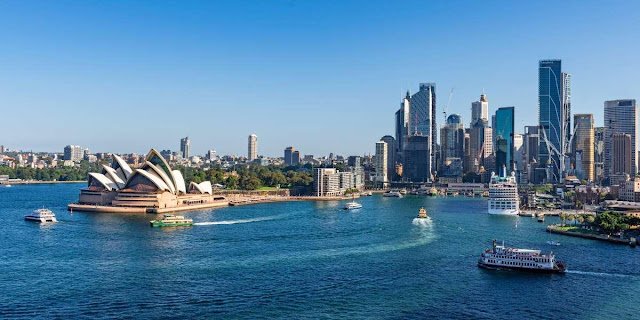
Sydney:
Home to the Sydney Opera House, the Harbour Bridge, coastal walks, iconic
beaches like Bondi, and harborside attractions.
●
Adelaide: Home
to the Adelaide Oval, Central Market and Zoo, offers a laid back, relaxed
lifestyle.
●
Other regions offer diverse experiences, from
tropical beaches to mountain ranges, national parks, wine regions and deserts.
These
experiences enrich your time as a student, creating lasting memories beyond
academics.
For
more information visit: https://www.tourism.australia.com/en
Final
Thoughts
Student life in Australia
offers a vibrant, secure and enriching environment for international students.
With the right preparation, i.e. by understanding visa and health cover requirements,
budgeting for living costs, choosing accommodation wisely, and getting familiar
with transport and everyday norms, students can thrive both academically and
personally. Take in the experience, build meaningful connections, and give
yourself space to grow, inside and outside the classroom.