
Since 2022, India has witnessed a quiet but
powerful shift. Startup culture has moved beyond metro boardrooms and Ivy
League dreams. Across campuses and small towns, students and young
professionals are walking away from traditional career paths and even
high-profile degrees to build startups rooted in real, everyday problems.
Not all of these ideas are about apps, fintech, or
artificial intelligence. Some are far more grounded—born from lived
experiences, repeated frustrations, and gaps that most people complain about
but few choose to fix.
One such gap lies right along India’s highways.
When World-Class
Roads Meet Poor Pit Stops
India’s highways today are symbols of progress.
Expressways cut travel time dramatically, connect tier-2 cities to metros, and
support trade, tourism, and logistics at scale. On paper, the country’s road
infrastructure rivals global benchmarks.
But the moment a traveller needs to stop for food,
rest, or a washroom, the experience often changes. Clean, safe, and hygienic
pit stops are still difficult to find. Families hesitate, women travellers plan
stops carefully, and truck drivers have little choice but to adjust.
This mismatch between modern roads and outdated
roadside facilities is what led to the birth of Touching Towns.
A Chartered
Accountant Who Chose an Unusual Problem
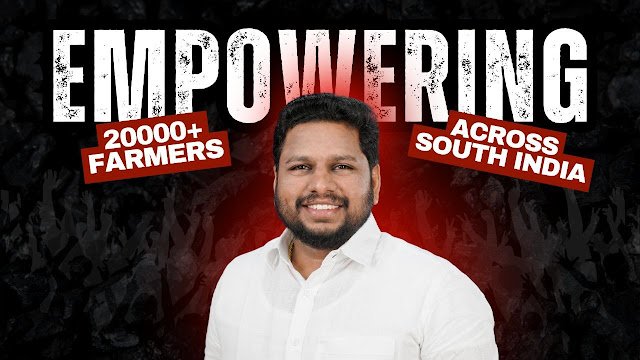
Touching Towns was founded by Anshuman Chaudhary,
a Chartered Accountant who took an unconventional route into entrepreneurship.
Unlike many startup stories driven by valuation dreams, this one began with
observation.
Frequent highway travel made one thing clear: the
problem wasn’t always neglect. Many roadside eateries, dhabas, and small hotels
are family-run businesses operating without exposure to structured hygiene
standards or professional training.
“There is willingness,” Anshuman often
notes. “But there is a lack of awareness.”
That insight became the foundation of Touching
Towns.
Education Over
Penalties
Instead of acting like an inspection authority,
Touching Towns works as a partner. The startup focuses on education rather than
enforcement helping establishments understand what hygiene actually means in
daily operations.
The process begins with on-site assessments
covering kitchen practices, food handling, washroom maintenance, waste
management, and overall cleanliness. Based on these findings, customised
training is provided to staff, focusing on habits, routines, and simple systems
rather than costly upgrades.
The idea is to build pride in cleanliness, not
fear of punishment.
Starting with the
Delhi–Chandigarh Highway
Touching Towns began its work on the
Delhi–Chandigarh highway, one of North India’s busiest travel corridors. The
stretch serves everyone from business travellers and tourists to long-haul
truck drivers, making it a realistic testing ground.
Establishments that meet hygiene benchmarks are
recognised, helping travellers identify reliable stopovers. Regular monitoring
and traveller feedback add a layer of accountability, encouraging consistency.
Over time, trust begins to build not just in individual
outlets, but in the idea that highway stops can be dependable.
Why This Model
Matters
India’s highway hospitality ecosystem is massive
and fragmented. While food safety rules exist, enforcement is uneven,
especially outside urban centres. Touching Towns steps into this gap as a
neutral third party—aligning hygiene with business benefits.
Cleanliness directly impacts footfall, repeat
visits, and reputation. For roadside businesses operating in competitive
clusters, even small improvements can make a measurable difference.
Redefining What
Infrastructure Really Means
Touching Towns doesn’t build new rest stops or
restaurants. Instead, it upgrades what already exists making the model
scalable, cost-effective, and adaptable across regions.
As India’s startup wave continues to mature,
ventures like this signal a shift in thinking. Entrepreneurship is no longer
only about disruption, it’s about responsibility, dignity, and solving
overlooked problems at scale.
Because in the end, infrastructure isn’t just
about roads.
It’s about how people experience the journey.